
The impact of luck in gambling chance or skill
The Role of Luck in Gambling
Luck has always played a significant role in gambling, where outcomes are often unpredictable and can hinge on random events. The concept of luck evokes images of chance, where players might believe that their fate relies on the whims of fortune. Games like slots or roulette exemplify this notion, as results are determined by random number generators or spinning wheels. In these situations, even experienced gamblers can lose when luck does not favor them, highlighting the essential nature of luck in these games. Moreover, players can enhance their experience by engaging with the Chicken 2 Road Game, which brings a unique twist to traditional gameplay.
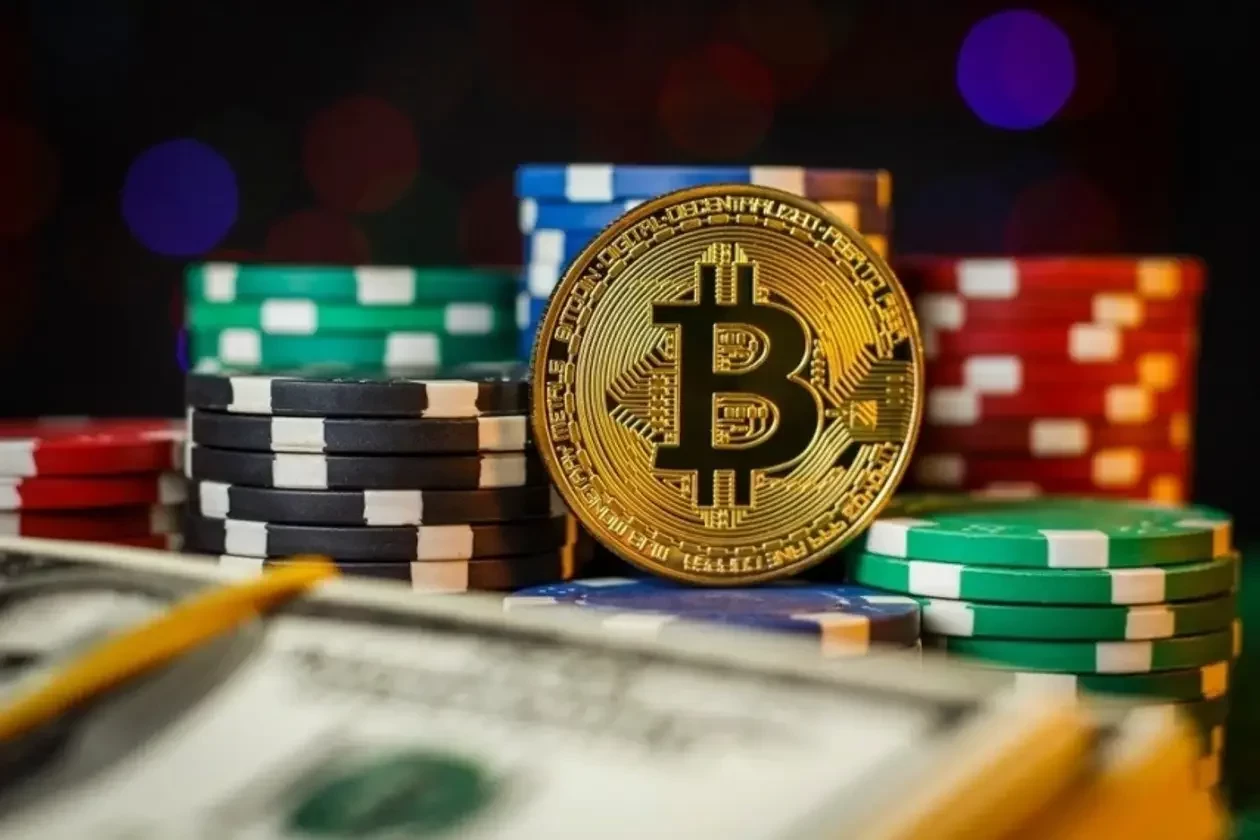
However, the significance of luck can vary depending on the game being played. In games of pure chance, such as lotteries, players have no control over the outcome, making luck the sole determining factor. Conversely, in skill-based games like poker, luck plays a role but is tempered by the skill and strategies employed by the players. This blend of chance and skill creates a dynamic gambling environment where the balance between the two can influence outcomes significantly.
Additionally, the psychological aspect of luck can affect a player’s experience. Gamblers often attribute their wins to luck, while losses are blamed on bad luck. This mentality can lead to cognitive biases, where players might continue to gamble in hopes of favorable outcomes, failing to recognize the role of skill in certain games. Overall, while luck is an undeniable aspect of gambling, understanding its role can help players make more informed decisions.
The Skill Factor in Gambling
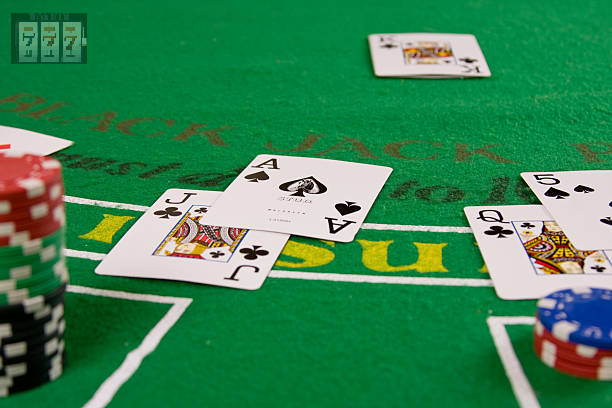
Skill in gambling is particularly prominent in games where strategy and decision-making come into play, such as poker, blackjack, and even certain types of casino mini-games. In these scenarios, players must understand the rules, probability, and strategies to maximize their chances of winning. For instance, in poker, a player’s ability to read opponents and manage their chip stack can significantly influence their success, highlighting the importance of skill in addition to luck.
Moreover, skill can often mitigate the randomness associated with luck. Skilled players can recognize patterns, assess risks, and make calculated decisions that can lead to better outcomes over time. This aspect is essential in games like blackjack, where basic strategy can drastically reduce the house edge. Such skills require time and practice, allowing players to hone their abilities and become more adept at navigating the unpredictable nature of gambling.
In addition to strategic thinking, emotional control is another critical skill for gamblers. Managing one’s emotions can prevent impulsive decisions that might be driven by a desire to chase losses or capitalize on a streak of luck. This ability to maintain composure can greatly impact the long-term success of a player, further blurring the lines between luck and skill in gambling scenarios. Ultimately, while luck may govern individual outcomes, skill can shape a gambler’s overall experience and potential success.
Cultural Perspectives on Luck and Skill in Gambling
Different cultures perceive luck and skill in gambling through various lenses. In some cultures, luck is revered and viewed as a spiritual or mystical force that influences outcomes. For example, in certain Asian cultures, lucky numbers and rituals are often integrated into gambling practices, reflecting a strong belief in luck’s power. Conversely, in Western cultures, there tends to be a greater emphasis on skill and strategy, particularly in card games and sports betting, where analytical thinking is valued.
These cultural differences can influence how individuals approach gambling. In cultures that emphasize luck, gamblers might engage in superstitions or rituals to attract favorable outcomes, believing that these practices can enhance their chances of winning. On the other hand, players from skill-oriented cultures may focus more on learning strategies and improving their gameplay, prioritizing knowledge over luck. Understanding these cultural contexts can provide deeper insights into the gambling behaviors and attitudes of different populations.
Additionally, the proliferation of online gambling has introduced new cultural dynamics, as players from various backgrounds converge in virtual spaces. This globalization has led to a blending of cultural practices and beliefs about luck and skill, creating a diverse gambling landscape. As players interact, they share strategies, superstitions, and insights, showcasing the complex relationship between luck and skill in a modern gambling environment. This interaction has transformed gambling into a more inclusive and multifaceted experience, reflecting diverse perspectives worldwide.
The Balance Between Luck and Skill
Finding the right balance between luck and skill is crucial for any gambler aiming for long-term success. Games with a strong reliance on luck can be enticing and exciting, drawing players in with the thrill of potentially large payouts. However, recognizing the limitations of luck is essential; relying solely on chance can lead to significant losses and disappointment. By integrating skill into their gambling practices, players can enhance their strategies, making informed decisions that can improve their odds.
Moreover, understanding the interplay between luck and skill allows players to develop a more sustainable gambling approach. For example, seasoned gamblers might choose to play skill-based games when they are feeling sharp and focused, while saving games of chance for more casual sessions. This awareness can lead to a more enjoyable experience, allowing players to engage with gambling in a way that aligns with their strengths and preferences.
Ultimately, the balance between luck and skill is subjective and varies from player to player. Some might thrive on the excitement and unpredictability of luck-driven games, while others may prefer the challenge and strategic nature of skill-based options. Recognizing one’s approach and preferences can lead to a more fulfilling gambling journey, ensuring that players enjoy the thrill while managing their risk effectively.
Discovering Engaging Gambling Experiences
For those seeking an engaging gambling experience, platforms offering a variety of games can provide endless enjoyment. Whether it is traditional casino games or innovative mini-games like Chicken Road 2, players can explore environments that cater to both luck and skill. The chicken road 2 game, for instance, presents a unique blend of chance and strategy, inviting players to guide a chicken across tiles while avoiding traps, testing their decision-making skills as they play.
Players interested in trying out these games can benefit from demo modes, which offer a risk-free way to explore gameplay mechanics and strategies. Such modes allow individuals to practice and refine their skills without the pressure of wagering real money. This aspect is particularly beneficial for newcomers who may be intimidated by the complexities of gambling. By experimenting with different strategies in a safe environment, players can enhance their overall experience and confidence when they decide to gamble for real.
Ultimately, the world of gambling is rich with possibilities, where both luck and skill play significant roles. Engaging with games that challenge players’ abilities and offer varied experiences can lead to a fulfilling gambling journey. Whether one prefers high-stakes poker games or casual mini-games, there is something for everyone in the diverse landscape of gambling today.
